I take the product problems nobody has framed yet, and turn them into shipped systems and measured results.
Fifteen years designing products end to end, now the highest-leverage version of it: I design AI-native products and the agent operations that run them, so one person ships what used to take a team. Strategy through production front-end, evidence before opinion.
Fifteen years inside teams like these
Product decisions in regulated, high-traffic environments: banking, payments, health, energy and marketplaces.









The reasoning, the instruments and the numbers
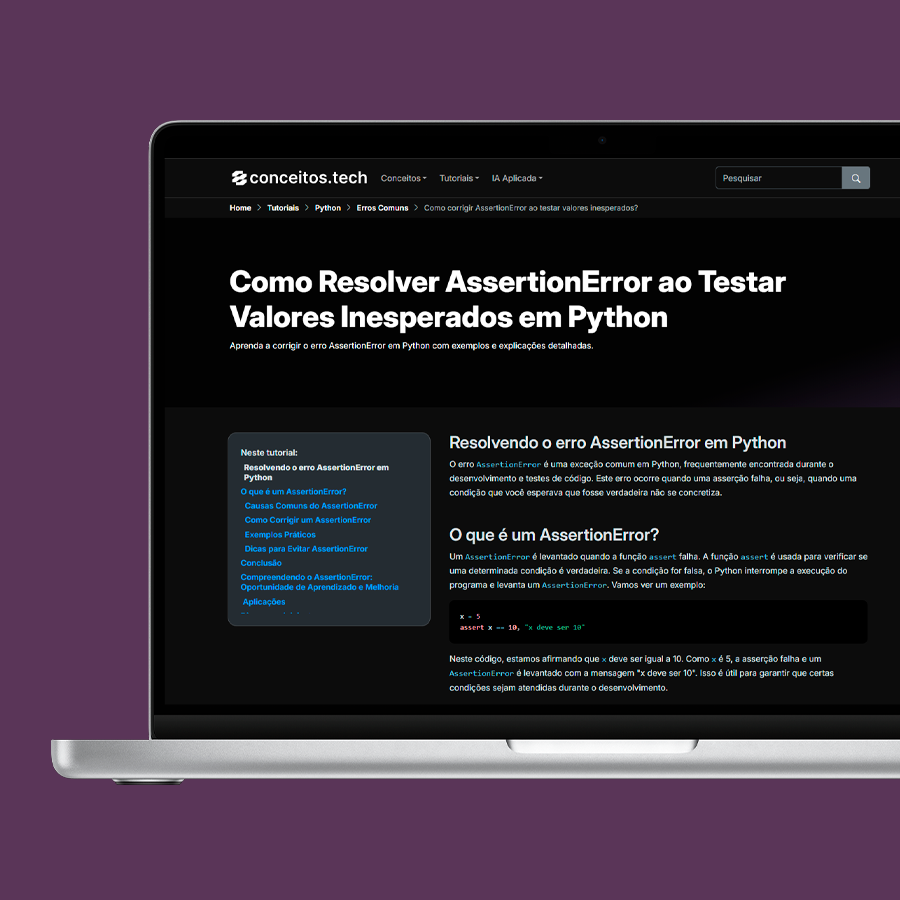
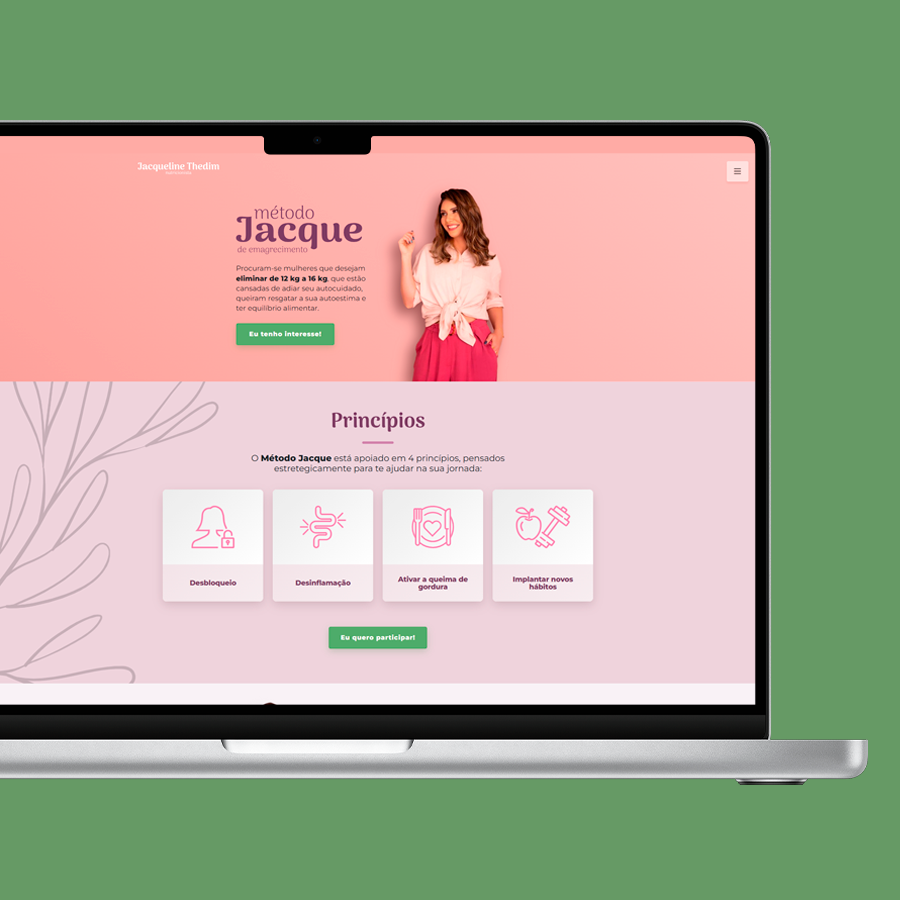
Two are full case studies: the diagnosis, the instruments, the numbers, and the parts that haven’t worked yet.


What actually changes at this level
Not taste. Everyone senior has taste. These four habits are what I’m accountable for on a team, and all four show up in the cases above.
I build the instrument before I have an opinion
On Tourb I wanted to cut weak pages on instinct. Instead I built a classifier crossing 16 months of search data with an editorial read, turning 502 pages into four decisions. On Recordário I shipped the measurement before the fix, to size the leak before plugging it.
I change the question before I answer it
The brief was to win back the lost traffic. I threw it out in the first weeks. The real question was what business this is at all, once search and AI answer place discovery themselves. Answering the wrong question well is the most expensive thing a senior person can do.
I design against the constraint that’s actually there
88% of that storefront’s customers are on mid-range Android inside Instagram’s in-app browser, not the machine the design was drawn on. The drag gesture took three rounds against real device evidence, and it runs outside the app’s normal rendering path because updating state on every frame stuttered on exactly those phones.
I design the standard so it runs without me
I mentor the designers around me, but mentoring doesn’t survive my leaving the project. So I put the standard into artefacts a team can execute: a design system, a written curation policy, a persuasion constitution. On Recordário that same discipline is what lets a fifteen-agent system run content, media and analysis without diluting the brand. A senior person who doesn’t scale past themselves isn’t senior, just busy.
Instrument first, build second. The habit I’d most want to be judged on, and the one that keeps catching my own mistakes.
The kinds of problems I’m brought in for
Different surfaces, same job: find the decision the team hasn’t made yet, make it defensible, and ship it.

SaaS & platforms
Multi-role products where the hard part is the model underneath, not the screen on top. I cut the scope that shouldn’t exist and hand over a design system the team can build on without me.
Mobile products
Products judged on the phone people actually hold, not the one in the mock. I design to the real device budget and treat latency and failure as primary surfaces.

Web & e-commerce
Journeys measured on conversion, not on taste. Architecture, technical SEO and experimentation, plus the production front-end, so what gets designed is what ships.

Deep in a few things, dangerous in the rest
The part I take most seriously isn’t on this list: mentoring the designers around me, and writing the standard down so it outlives me.
Tools & frameworks I’m fluent in
Figma Figjam Miro Hotjar Mixpanel Google Analytics Google Search Console Meta Ads Google Ads Claude & OpenAI APIs Hubspot Mailchimp Salesforce Kanban Scrum Jira Adobe Creative Suite Design Sprints Facilitation